
Not All Foods
Are Equal
Some foods are mineral-rich powerhouses, while others may be surprisingly low in essential minerals. Discover which fruits and vegetables truly deliver.
Recent Posts
From Soil to Soul: Reconnecting Through Earth’s Minerals
Healthy soil, rich in minerals, produces vibrant plants and nutritious fruits. The same principle applies to animals. The quality of their meat reflects the minerals found in the soil they depend on.
Macro-minerals (Ca, P, Mg, Na, K, Cl, S) keep our structure, fluid balance, and nervous system running. Micro-minerals (Trace elements: Fe, Zn, I, Se, Cu, Mn, Cr, F, Mo) are needed in tiny amounts, yet they quietly drive enzymes, metabolism, thyroid function, and detoxification.
Humans are deeply connected to soil through what we eat. Fruits, vegetables, and animal protein all trace their nourishment back to the earth. Everything that touches the soil becomes mineralized, like ocean water or natural spring water, both rich in life supporting minerals.
This raises a simple question. How often do we touch the soil ourselves?
Gardening has become a way for me to reconnect with the earth and experience that natural mineral connection more directly.
Let’s get our hands dirty this summer: grow something……nurture the soil
MINERALIZE this SUMMER!
Traditional Foods and Their Nutrient Value
Cultural food is more than just what we eat. It carries the traditions, history, and identity of where we come from. Every region has its own signature ingredients, spices, and cooking techniques. You can feel it in the warmth of Mexican chilis, the richness of Bangladeshi curry, the bold flavor of Jamaican jerk, or the quiet elegance of Japanese tea. Dishes like Jordanian Mansaf, Bangladeshi Kala Bhuna and Tehari, Tunisian Harissa, or Ukrainian borscht are not simply meals. They are stories that have been passed down through generations.
For many of us, traditional food is a bridge to our roots. The flavors, colors, and aromas bring back memories of family gatherings, special occasions, and moments shared with care. Often, these dishes are prepared only once or twice a year, which makes them even more meaningful.
But in today’s fast-paced city life, we are slowly losing touch with these traditions: how to prepare them, where to find authentic ingredients, even how to choose the right fruits and vegetables. I often realize my parents knew far more than I do about selecting fresh produce and understanding food quality. Those small lessons carry deep wisdom.
It is true that we may not cook traditional food every day. Still, understanding ingredients, respecting their quality, and staying connected to our food habits can bring us closer to healthier living.
According to Louis E. Grivetti in Nutrition Research Reviews, human diets have become heavily dependent on a limited number of cultivated species. A large share of global dietary energy now comes from just a few crops. This creates nutritional gaps and leads to the loss of knowledge about diverse and nutrient rich wild foods that once sustained communities for generations.
This summer, take a moment to reconnect. Cook a traditional dish. Share it with your children, family and friends. Learn from your parents or grandparents. Ask about the ingredients, the process, and the story behind it.
Because cultural food is not just about taste. It is about connection, knowledge, and preserving who we are.
😊 Enjoy Cultural Food 😊
What Does "Eat Real Food" Really Mean?
According to a USDA press release (July 7, 2025), nearly 70% of packaged foods in the U.S. are considered ultra-processed, and children receive over 60% of their daily calories from these products. A growing body of research links ultra-processed food consumption to serious health outcomes, including cardiovascular disease, type 2 diabetes, cancer, obesity, and even neurological disorders.
In response to growing concerns about nutrition and public health, the USDA released the Dietary Guidelines for Americans, 2025-2030 on January 7, 2026, describing them as the most significant reset of federal nutrition policy in decades. The message is simple:
“eat real food.”
But what does “real food” actually mean?
It is not just about picking items off a grocery shelf labeled as healthy. In my view, it requires a deeper shift – one that reconnects us to how food is produced. It means supporting local farmers, encouraging sustainable and organic practices, and even engaging in gardening ourselves. Growing food, even at a small scale, brings us closer to understanding what “real” truly looks like.
A recent review (Jerden et al., April 28, 2026) on soil remineralization in agroecological systems highlights something powerful: restoring mineral balance in soil can directly improve both crop yield and nutrient density. Across 191 studies, 87% reported increased yield or biomass, and 89% showed enhanced plant nutrient uptake.
This reminds us that the journey to real food begins long before food reaches our plates; it starts in the soil.
Healthy soil → Nutrient-rich crops → Better nutrition → Healthier communities
Nature’s Balance: The Joy of Fishing and Natural Minerals
Fish is one of the most important natural sources of both macro- and micronutrients. Along with essential minerals, fish provides high-quality protein, healthy fats, and important vitamins. Compared to many land animals, fish is especially valued for its rich protein content and its omega-3 long-chain polyunsaturated fatty acids, which play an important role in overall health.
When we think about fruits and vegetables, their mineral content often changes depending on soil quality, fertilizer use, location, and even the season. That is why the same fruit, or vegetable can taste different from one place to another. Food quality and processing may also vary between developed and developing countries because of differences in technology and economic resources.
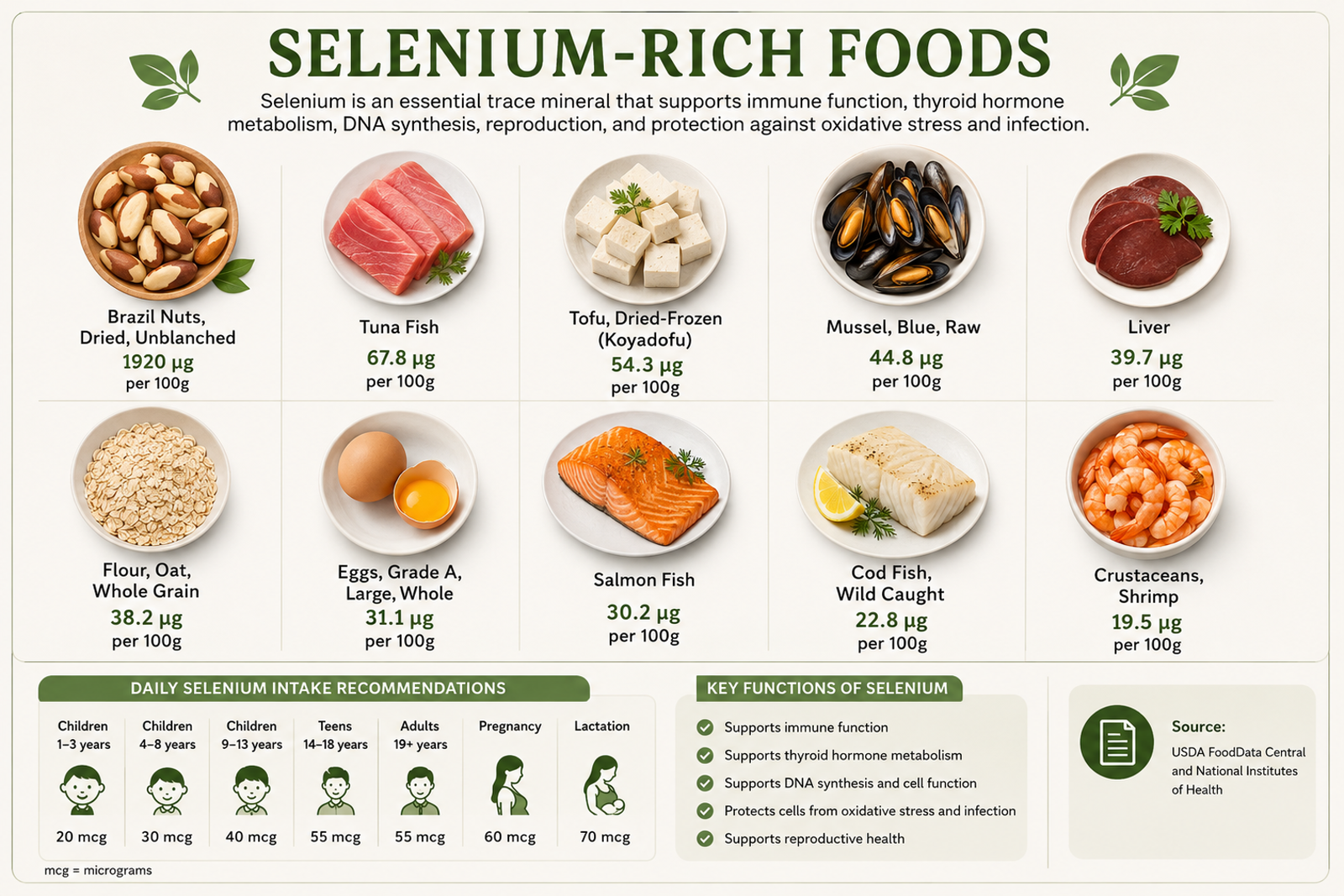
However, I have noticed something very interesting about fish. In my own mineral analysis work, I found that the selenium content in fish such as tuna and flounder in the USA was surprisingly similar to fish (here, comparing the saltwater fish) I measured in Bangladesh. This made me realize that ocean minerals may be distributed more equally across regions, regardless of whether a country is rich or poor. Nature often creates its own balance.
Fishing has always been a special part of my life. Since childhood, going fishing with friends and family has been one of my happiest memories. Even now, I still feel excited about every part of a fishing trip: the planning, arranging the trip, booking a hotel, preparing the fishing gear, preserving the fish overnight, and finally bringing them home. Every single step brings joy.
Catching fish, cooking it, and sharing that meal with family and friends is truly heartwarming. These simple moments connect us not only to food, but also to our roots, our traditions, and the natural minerals our bodies have depended on for generations.
This summer, let’s plan a fishing trip with family and friends. Let’s reconnect with nature, with our ancestors, and with the simple joy of catching and sharing fresh fish.
😊 Enjoy your fishing this summer! 😊
Macro & Micro Minerals
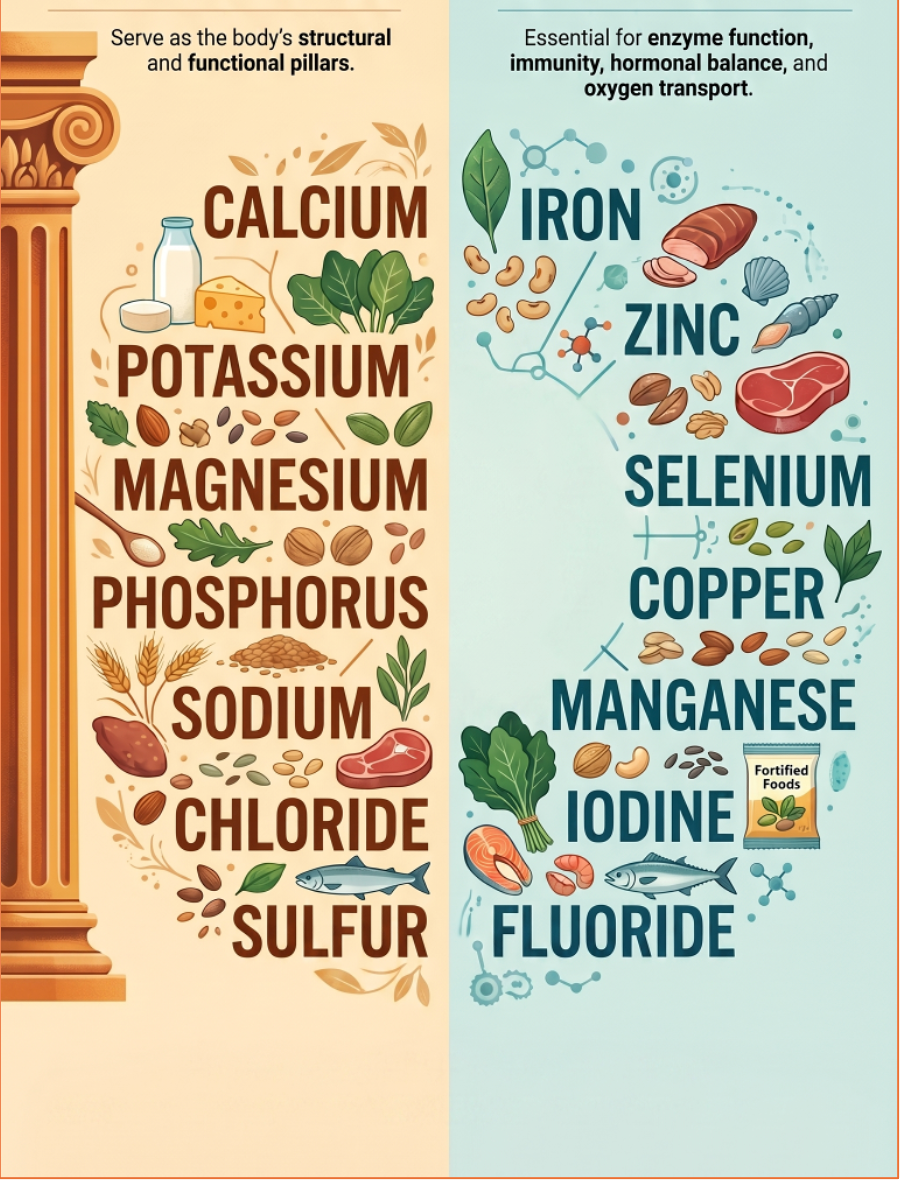
The body needs minerals in varying amounts. Macrominerals are required in larger quantities; trace minerals (microminerals) are needed in smaller but equally critical amounts.
Macrominerals
Required in amounts greater than 100 mg per day. These minerals are structural and functional pillars of the human body.
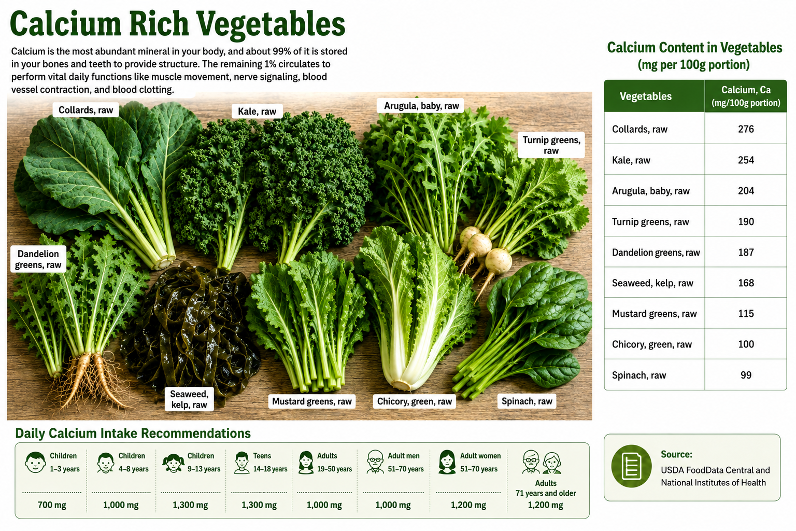
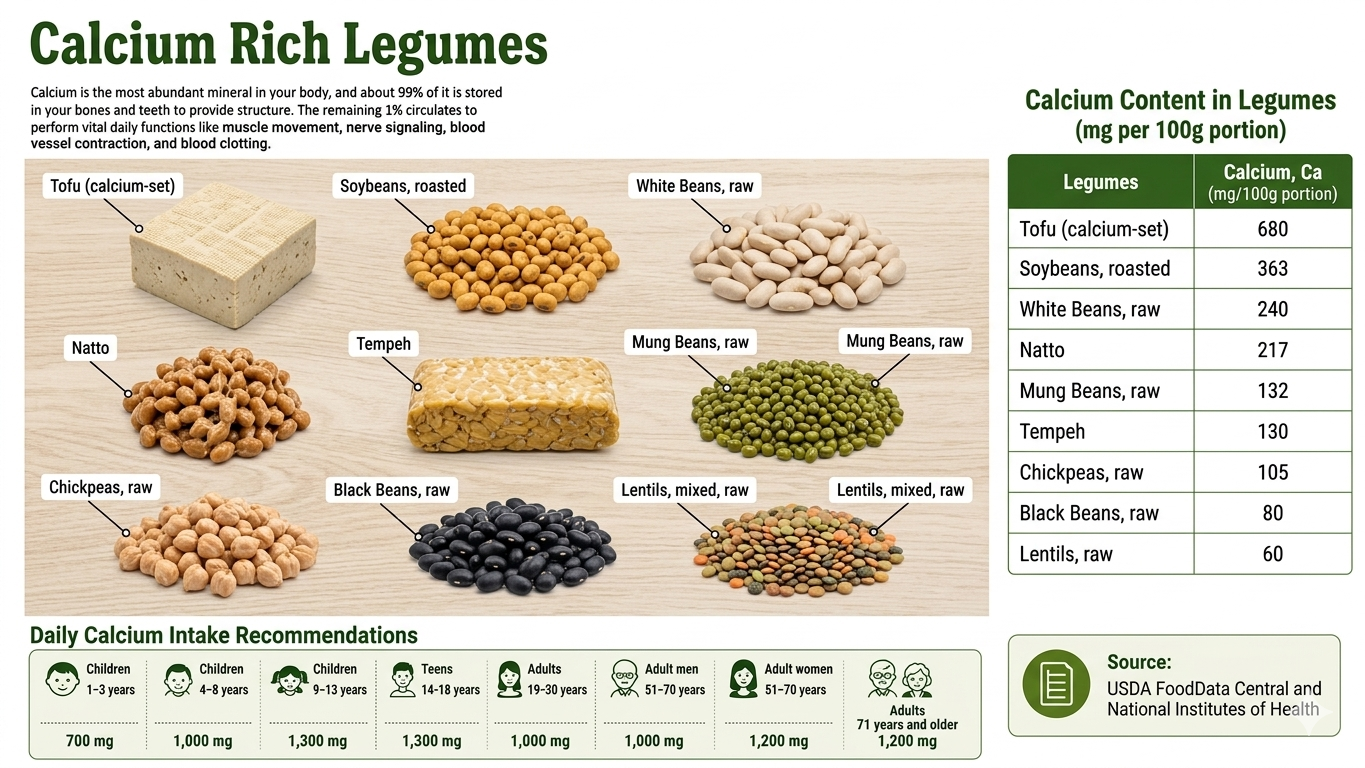
- Calcium
- Potassium
- Magnesium
- Phosphorus
- Sodium
- Chloride
- Sulfur
Microminerals
Needed in amounts under 100 mg per day, but essential for enzyme function, immumity, hormonal balance, and oxygen transport.
- Iron
- Zinc
- Selenium
- Copper
- Manganese
- Iodine
- Fluride
Food Sources Guide
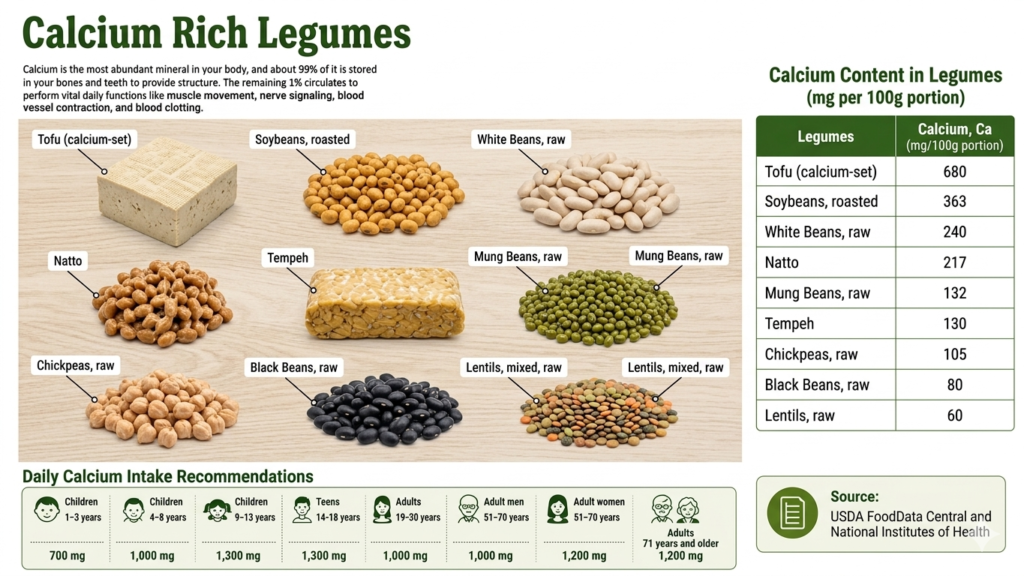
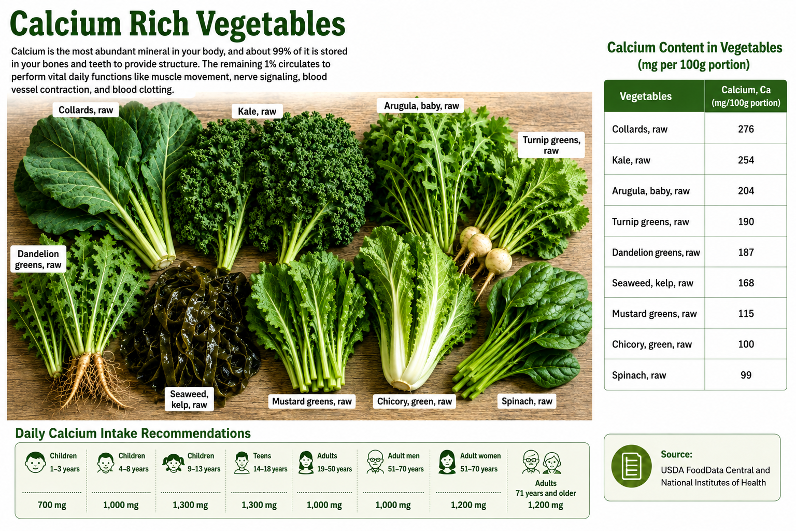
Discover which everyday fruits, vegetables, grains, nuts, and proteins deliver the highest mineral content per serving.
Contact Me
wellness@mineralhealthguide.com